












Moroccan cuisine is a rich tapestry of flavors and aromas, influenced by the country's strategic location at the crossroads of Africa, Europe, and the Middle East.
The unique blend of Berber, Arab, Mediterranean, and African traditions has contributed to the distinctive flavors and cooking techniques that characterize Moroccan recipes.
From the aromatic spices to the slow-cooked tagines, classic Moroccan dishes reflect the cultural diversity and rich heritage of Morocco.
Key Takeaways
- Moroccan cuisine is shaped by its cultural diversity.
- Classic Moroccan dishes reflect the country's rich heritage.
- Moroccan recipes are known for their unique blend of flavors.
- The use of aromatic spices is characteristic of Moroccan cooking.
- Slow-cooked tagines are a staple of Moroccan cuisine.
The Rich Culinary Heritage of Morocco
Moroccan cuisine is a vibrant mosaic, shaped by the country's history and the diverse cultures that have interacted with it. The rich culinary heritage of Morocco is a reflection of its strategic position at the crossroads of Africa, Europe, and the Middle East.
Cultural Influences Behind Moroccan Flavors
The cultural influences behind Moroccan flavors are diverse and complex. The indigenous Berber people, Arab conquerors, Mediterranean traders, and French colonizers have all left their mark on the country's cuisine. For instance, the use of ras el hanout, a blend of over 30 spices, is a testament to the Berber influence. The Arabs introduced ingredients like saffron and citrus, while the Mediterranean region contributed olives and olive oil.
| Cultural Influence | Key Ingredients Introduced |
|---|---|
| Berber | Ras el hanout, preserved lemons |
| Arab | Saffron, citrus fruits |
| Mediterranean | Olives, olive oil |
How Spices and Traditions Shaped the Cuisine
The use of spices and adherence to traditional cooking methods have significantly shaped Moroccan cuisine. Spices like cumin, coriander, and cinnamon are staples in many Moroccan dishes, including tagines and couscous. The slow-cooking technique used in tagine preparation is a tradition that has been passed down through generations, allowing flavors to meld together and intensify.
The combination of these cultural influences, spices, and traditional cooking techniques has resulted in a unique and flavorful cuisine that is distinctively Moroccan. The rich culinary heritage of Morocco continues to be celebrated and enjoyed not only within the country but around the world.
Couscous – Morocco's National Dish
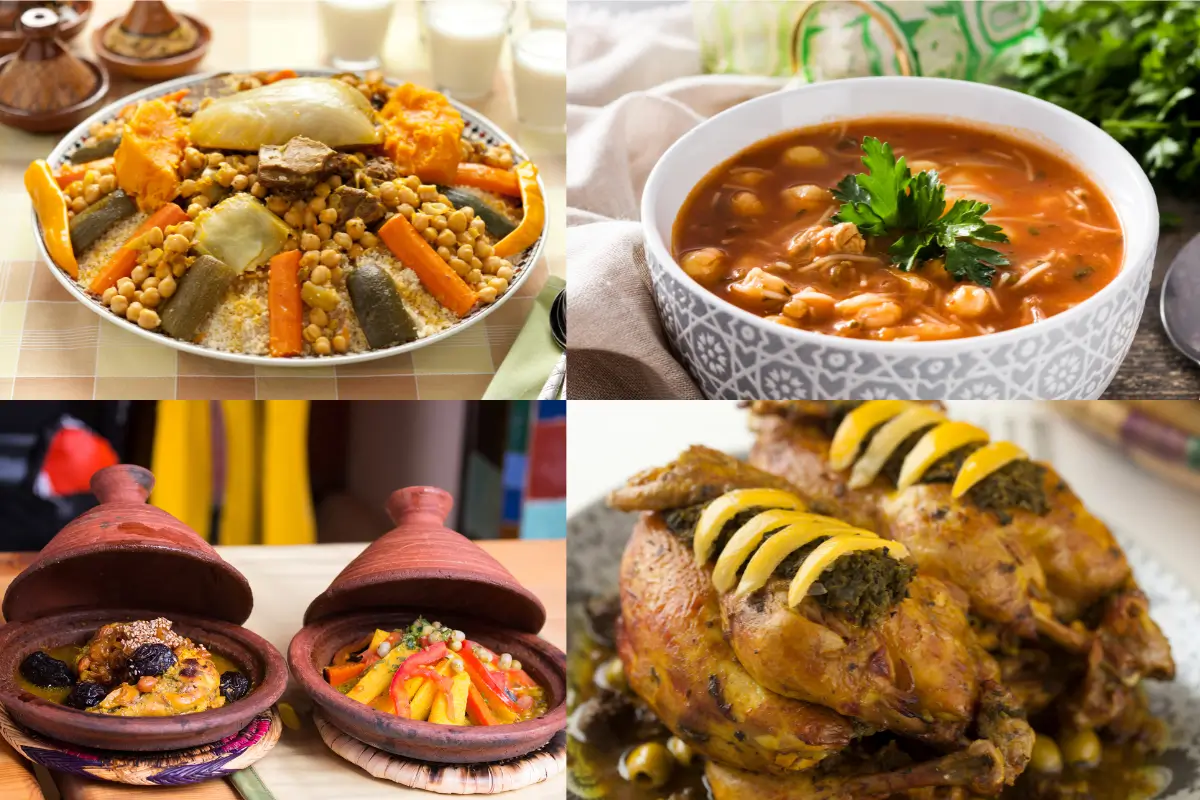
In Morocco, couscous is more than just a meal; it's a cultural icon. This traditional North African dish has been a staple in Moroccan cuisine for centuries, playing a significant role in the country's culinary identity.
Traditional Berber Origins
Couscous originates from the Berber communities, where it was traditionally made from semolina flour. The Berber origins of couscous are a testament to the rich cultural heritage of Morocco. The dish was initially prepared by rolling semolina flour with water to create small pellets, which were then steamed to perfection.
The significance of couscous in Berber culture is evident in its presence at various social gatherings and celebrations. It symbolizes unity and togetherness, as family and friends come together to share a meal.
How It's Prepared in Moroccan Homes
The preparation of couscous in Moroccan homes is a labor-intensive process that involves steaming semolina flour over a flavorful broth. Traditionally, couscous is cooked in a couscoussier, a special pot with a steamer basket. The semolina is steamed over a simmering stew made with vegetables, meat, or fish, absorbing the flavors and aromas.
Traditional Moroccan cooking techniques are essential in preparing couscous. The dish is often served on special occasions and family gatherings, highlighting its importance in Moroccan cuisine and culture.
https://www.youtube.com/watch?v=bs0hIUopYuY
Tagine – Slow-Cooked Perfection
The art of slow-cooking is epitomized in Moroccan tagine, a dish that warms the heart and delights the palate. Tagine, named after the clay pot in which it's cooked, is a slow-cooked Moroccan dish that is both flavorful and aromatic.
Most Popular Tagine Varieties
Tagine comes in a variety of flavors, each reflecting the rich culinary diversity of Morocco. Some of the most popular tagine varieties include:
- Chicken tagine with preserved lemons and olives
- Beef tagine with prunes and almonds
- Vegetable tagine with a mix of seasonal vegetables
These varieties showcase the versatility of tagine and its ability to incorporate different ingredients while maintaining its signature slow-cooked flavor.
| Tagine Variety | Main Ingredients | Flavor Profile |
|---|---|---|
| Chicken Tagine | Chicken, preserved lemons, olives | Tangy, savory |
| Beef Tagine | Beef, prunes, almonds | Sweet, rich |
| Vegetable Tagine | Seasonal vegetables | Fresh, aromatic |
Why Tagine Cooking Is Unique
The uniqueness of tagine cooking lies in its slow-cooking method and the special clay pot used. The conical lid of the tagine pot condenses steam, allowing the ingredients to cook in their own juices, resulting in a moist and flavorful dish.
"The tagine is not just a cooking vessel; it's a symbol of Moroccan hospitality and the art of slow-cooking."
As noted by food enthusiasts, the tagine's ability to bring out the flavors of its ingredients is unparalleled, making it a beloved dish in Moroccan cuisine.
Pastilla – Sweet and Savory Icon
Pastilla, a quintessential Moroccan pastry, embodies the country's rich culinary heritage with its unique blend of sweet and savory flavors. This traditional dish is made with layers of flaky pastry filled with a mixture of ingredients, typically including meat, onions, and spices, which are then baked to perfection.

The versatility of pastilla is evident in its various fillings, with chicken and seafood being two of the most popular options.
Chicken Pastilla vs. Seafood Pastilla
Chicken pastilla is a classic version, where tender chicken is slow-cooked with onions, spices, and herbs, then wrapped in layers of warka pastry. In contrast, seafood pastilla offers a coastal twist, featuring a mix of seafood such as shrimp, fish, and calamari, cooked in a fragrant broth with saffron and other spices. Both versions showcase the complexity and richness of Moroccan cuisine.
Andalusian Influence in Moroccan Cuisine
The influence of Andalusia on Moroccan cuisine is profound, with pastilla being a prime example. The introduction of new ingredients and cooking techniques during the Moorish occupation of Spain significantly impacted Moroccan culinary traditions. The combination of sweet and savory flavors in pastilla reflects this cultural exchange, demonstrating the historical ties between Morocco and Andalusia. This blend of flavors has become a hallmark of Moroccan cuisine, making pastilla a true icon of the country's gastronomic identity.
Harira – The Beloved Moroccan Soup
In the realm of Moroccan cooking, harira stands out as a nourishing and flavorful soup. It's a staple dish that has been passed down through generations, with its rich flavors and nutritional benefits making it a beloved meal across the country.
Ingredients and Regional Variations
Harira is typically made with a combination of tomatoes, lentils, chickpeas, and spices, creating a hearty and comforting soup. Regional variations of harira exist, with some areas adding unique ingredients or adjusting the spice levels to suit local tastes. Despite these variations, the core ingredients remain the same, ensuring that harira remains a consistent and familiar dish throughout Morocco.
Why It's Essential During Ramadan
During Ramadan, harira plays a significant role in breaking the fast. It's a nourishing meal that helps sustain individuals throughout the night, providing the energy needed for evening prayers and other activities. The tradition of serving harira during Ramadan is deeply rooted in Moroccan culture, making it an essential part of the country's culinary heritage.
Moroccan Mint Tea – "The Drink of Hospitality"
Moroccan mint tea is more than just a drink; it's a symbol of hospitality and respect for guests. This refreshing beverage is an integral part of Moroccan culture, bringing people together and fostering a sense of community.

Rituals Around Preparing Moroccan Tea
The preparation of Moroccan mint tea is a ritual in itself, involving the use of green tea, fresh mint leaves, and sugar. The tea is typically prepared in a teapot called a "berrada," and the process involves a series of deliberate actions that signify the host's respect for their guests.
The tea is poured from a height, creating a frothy top, which is believed to enhance the flavor and the overall experience.
The Cultural Meaning Behind the Ceremony
The serving of Moroccan mint tea is a cultural ceremony that embodies the values of hospitality, respect, and community. It's a gesture that welcomes guests and makes them feel at home.
| Cultural Aspect | Significance |
|---|---|
| Hospitality | Welcoming guests and showing respect |
| Community | Fostering social bonds and togetherness |
| Tradition | Preserving cultural heritage through rituals |
Through the simple act of serving tea, Moroccans connect with their heritage and with each other, highlighting the profound cultural significance of this beloved beverage.
Discover Classic Moroccan Dishes That Shaped the Cuisine: Hidden Gems
While many are familiar with Moroccan staples, there are numerous hidden gems that showcase the country's culinary diversity. These lesser-known dishes are not only delicious but also steeped in tradition and cultural significance.
Tanjia Marrakchia – The Bachelor's Dish

Tanjia Marrakchia is a hearty stew originating from Marrakech, traditionally cooked by bachelors in a clay pot. The dish is made with tender pieces of beef, chickpeas, and a blend of spices, all slow-cooked to perfection. The unique aspect of Tanjia Marrakchia is its cooking method; it's cooked in the embers of a hammam (public bathhouse) or in a slow oven, allowing the flavors to meld together beautifully.
The cultural significance of Tanjia Marrakchia lies in its historical context; it was a meal prepared by men living alone, showcasing their culinary skills. Today, it's enjoyed by people from all walks of life, appreciated for its rich flavors and comforting warmth.
Zaalouk – The Flavorful Eggplant Salad

Zaalouk is a flavorful eggplant salad that is a staple in many Moroccan households. It's made by cooking eggplant with a variety of spices, including cumin, paprika, and coriander, along with tomatoes and garlic. The result is a rich, savory dish that can be served as a side or a main course.
Some key ingredients in Zaalouk include:
- Eggplant
- Tomatoes
- Garlic
- Olive oil
- A blend of Moroccan spices
Zaalouk is not only delicious but also versatile; it can be enjoyed hot or cold, making it a convenient dish for various occasions.
Mechoui – Celebratory Slow-Roasted Lamb
The art of slow-roasting lamb, known as Mechoui, is a culinary tradition deeply rooted in Moroccan culture. This beloved dish is often at the center of celebrations and festivities, bringing people together with its tender and flavorful meat.
Festive Traditions Around Mechoui
Mechoui plays a significant role in Moroccan festivities, including weddings and religious holidays. The slow-roasting process is not just about cooking; it's an event that involves the community, with people gathering around to watch and wait for the lamb to be perfectly cooked. Some key aspects of Mechoui in festive traditions include:
- Community involvement in the preparation process
- The aromatic flavors that fill the air, building anticipation
- The ceremonial presentation of Mechoui, often as the centerpiece of the meal
The Art of Slow Roasting in Moroccan Cuisine
The technique of slow roasting is crucial to achieving the signature tenderness and flavor of Mechoui. The lamb is cooked over low heat for several hours, allowing the meat to absorb the rich flavors of spices and herbs. This method not only ensures a delicious outcome but also reflects the patience and care that Moroccans bring to their culinary traditions.
By understanding the significance of Mechoui in Moroccan culture and the art behind its preparation, we can appreciate the depth and richness that this dish brings to celebrations and everyday life.
Rfissa – Comfort Food with Cultural Significance

Rfissa is a beloved Moroccan dish that embodies comfort and cultural heritage. This traditional recipe is a staple in Moroccan households, particularly during times of need.
The Combination of Chicken, Lentils, and Msemen
Rfissa is characterized by its hearty combination of chicken, lentils, and Msemen, a type of Moroccan pancake. The dish is rich in nutrients and is often served to individuals recovering from illness or after childbirth. The combination of ingredients provides sustenance and comfort, making Rfissa a nurturing meal.
When and Why Rfissa Is Served
Rfissa is typically served during significant life events or when someone needs care. It's a dish that symbolizes nourishment and care, providing comfort to those who are recuperating. The cultural significance of Rfissa lies in its role as a meal that brings people together, offering solace and support during challenging times.
Why Moroccan Cuisine Is Loved Worldwide
With its diverse culinary heritage, Moroccan cuisine has earned a special place in the hearts of food enthusiasts worldwide. The rich flavors and aromas of Moroccan dishes have captivated audiences globally, making it a staple in many international cuisines.
Global Influence and Adaptation
Moroccan cuisine has been influenced by various cultures, including Arab, Mediterranean, and African traditions. This blend of cultures has resulted in a unique culinary identity that is both exotic and familiar. Globally, chefs and home cooks have adapted Moroccan recipes to suit local tastes, incorporating local ingredients and cooking techniques. For example, the popular dish Chicken Tagine is often made with locally sourced chicken and spices, while maintaining the traditional cooking method.
- Incorporation of local ingredients into traditional Moroccan recipes
- Adaptation of Moroccan cooking techniques to suit international tastes
- Use of Moroccan spices and herbs in global cuisine
The Universal Appeal of Moroccan Flavors
The universal appeal of Moroccan cuisine lies in its complex spice blends and traditional cooking methods. Aromatic spices such as cumin, coriander, and cinnamon are commonly used to add depth and warmth to Moroccan dishes. The use of fresh herbs like parsley and cilantro adds a bright, freshness to the cuisine.
Additionally, the emphasis on slow-cooking and stewing meats has made Moroccan cuisine a favorite among food enthusiasts who appreciate hearty, comforting meals.
Conclusion: Embracing the Flavors of Morocco
Moroccan cuisine is a rich tapestry of flavors, shaped by the country's cultural heritage. The diverse influences of Berber, Arab, and Mediterranean traditions have created a unique culinary identity. From the slow-cooked perfection of tagine to the celebratory slow-roasted lamb of Mechoui, Moroccan cuisine is a reflection of the country's history and cultural diversity.
Embracing the flavors of Morocco means appreciating the intricate balance of spices, the freshness of ingredients, and the traditional cooking techniques that have been passed down through generations. Whether it's the comforting warmth of Harira or the sweet and savory delight of Pastilla, Moroccan cuisine has something to offer every palate.
As we explore the flavors of Morocco, we gain a deeper understanding of the country's cultural heritage and the importance of preserving traditional cuisine. By embracing the flavors of Morocco, we can experience the hospitality and warmth of the Moroccan people, and enjoy the rich culinary traditions that make this cuisine so beloved worldwide
FAQ
What are the main cultural influences behind Moroccan cuisine?
Moroccan cuisine is shaped by various cultures, including Berber, Arab, Mediterranean, and African traditions, which have contributed to its unique flavors and cooking techniques.
What is the significance of couscous in Moroccan cuisine?
Couscous is Morocco's national dish, originating from Berber communities, and is a staple in Moroccan cuisine, often served during family gatherings and special occasions.
What makes tagine cooking unique?
Tagine cooking involves slow-cooking ingredients over low heat in a clay pot with a conical lid, allowing flavors to meld together and resulting in a moist and flavorful dish.
What is pastilla, and what are its variations?
Pastilla is a sweet and savory pastry that is a staple of Moroccan cuisine, with variations including chicken and seafood options, reflecting the cultural exchange between Morocco and Andalusia.
Why is harira significant during Ramadan?
Harira is a nourishing and filling soup that is traditionally served to break the fast during Ramadan, providing sustenance throughout the night.
What is the cultural significance of Moroccan mint tea?
Moroccan mint tea is a symbol of hospitality and respect for guests, with its preparation and serving being a social activity that brings people together.
What are some lesser-known Moroccan dishes?
Tanjia Marrakchia, a hearty stew, and Zaalouk, a flavorful eggplant salad, are examples of lesser-known Moroccan dishes that are worth exploring.
What is mechoui, and when is it typically served?
Mechoui is a celebratory slow-roasted lamb dish, often served during special occasions and festivals, such as weddings and holidays.
What is rfissa, and what are its ingredients?
Rfissa is a comforting and nourishing dish made with chicken, lentils, and Msemen, a type of Moroccan pancake, typically served during times of illness or after childbirth.
Why is Moroccan cuisine loved worldwide?
Moroccan cuisine has gained popularity globally due to its unique flavors, aromas, and ingredients, which have been adapted and incorporated into international menus and cooking styles.