






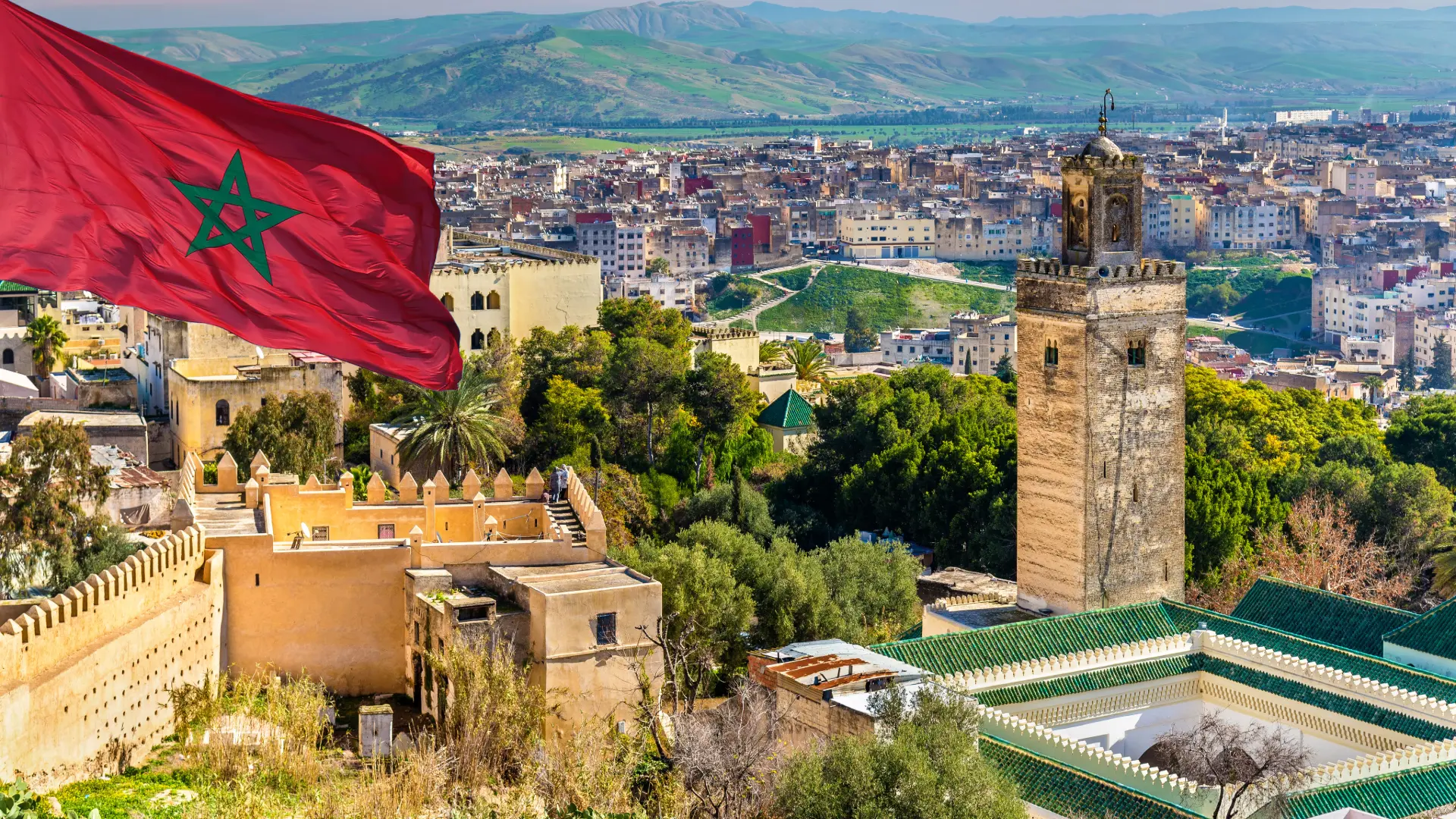
How to travel in morocco
Embarking on a journey to Morocco can be a thrilling experience, with its rich cultural heritage, stunning landscapes, and vibrant cities.
To make the most of your Morocco trip, it’s essential to be well-prepared. This guide provides a comprehensive overview of planning, transportation, cultural insights, and budget considerations to help you navigate the intricacies of Morocco travel.
Whether you’re a seasoned traveler or venturing to this fascinating country for the first time, this guide is designed to help you have a memorable and enjoyable experience.
Key Takeaways
- Plan your trip according to the season and cultural events
- Understand local customs and traditions
- Choose the right transportation for your needs
- Be prepared for variable budget options
- Stay informed about local conditions and safety
Planning Your Morocco Travel Adventure
Embarking on a Moroccan adventure requires meticulous planning to ensure a seamless and enjoyable journey. With its diverse landscapes, rich history, and vibrant culture, Morocco is a destination that promises an unforgettable experience.
Best Time to Visit Morocco
Morocco is a year-round destination, but the best time to visit depends on your preferences. The spring (March to May) and autumn (September to November) are considered ideal due to the mild temperatures. Summer can be very hot, especially in the desert regions, while winters can be cool in the mountains.
Required Documents and Visas
Before traveling to Morocco, ensure you have a valid passport with at least six months’ validity. Depending on your nationality, you may need a visa. Check with the Moroccan embassy or consulate in your home country to determine the specific requirements. Some nationalities are eligible for a visa on arrival.
Creating an Ideal Morocco Itinerary
Crafting the perfect Morocco itinerary involves balancing popular destinations like Marrakech and Fes with off-the-beaten-path experiences. Consider a 7 days Morocco travel itinerary that includes Marrakech, Merzouga, and other highlights. Key places to include are:
- Marrakech for its vibrant souks and riads
- Fes for its ancient medina and cultural significance
- Chefchaouen for its picturesque blue buildings
- Merzouga for Sahara Desert adventures
Using a reputable Morocco travel agency can help tailor your trip to your interests and ensure a smooth journey.
Getting to Morocco: Transportation Options
Traveling to Morocco is easier than you think, with multiple international airports welcoming flights from around the globe. Morocco’s strategic location makes it a hub for travel between Europe, Africa, and the Americas.
International Flights to Morocco
Morocco is served by numerous international airlines, offering a range of direct and connecting flights to major cities worldwide. Travelers can choose from various airlines, including Royal Air Maroc, Emirates, and Lufthansa, among others. Booking in advance is recommended to secure the best rates and preferred flight times.
The country’s main airports are equipped with modern facilities, ensuring a comfortable arrival experience. Passengers can enjoy amenities such as duty-free shopping, restaurants, and currency exchange services.
Entry Points and Major Airports
Morocco has several key entry points for international travelers. The primary airports include:
- Casablanca Mohammed V Airport (CMN)
- Marrakech Menara Airport (RAK)
- Tangier Ibn Battouta Airport (TNG)
- Rabat-Salé Airport (RBA)
These airports not only serve as entry points but also connect to other parts of Morocco, making it easy to continue your journey within the country.
Navigating Morocco’s Diverse Regions
Navigating Morocco’s varied landscapes and cultures is an adventure in itself, with each region offering something distinct. Morocco is divided into several key regions, each with its own unique attractions and experiences.
Northern Morocco: Tangier and Chefchaouen
Northern Morocco is a blend of Mediterranean and Moroccan cultures, with Tangier being a major hub. This city is known for its rich history, vibrant markets, and proximity to Spain. Just a few hours inland lies Chefchaouen, a picturesque town nestled in the Rif Mountains, famous for its blue-painted buildings and relaxed atmosphere.
Central Morocco: Fes and Meknes
Central Morocco is home to the imperial cities of Fes and Meknes. Fes, with its ancient medina, is a UNESCO World Heritage site and a center of Islamic culture and learning. Meknes, another imperial city, boasts impressive historical sites such as the Bab Mansour gate and the Mausoleum of Moulay Ismail.
Southern Morocco: Marrakech and Beyond
Southern Morocco is dominated by the vibrant city of Marrakech, known for its bustling souks, rich culinary scene, and stunning architecture. Beyond Marrakech lies the Sahara Desert, where travelers can experience camel treks and desert camping. The Atlantic coast, with cities like Essaouira, offers a more relaxed pace and beautiful beaches.
| Region | Key Cities | Main Attractions |
|---|---|---|
| Northern Morocco | Tangier, Chefchaouen | Medina of Tangier, Blue town of Chefchaouen |
| Central Morocco | Fes, Meknes | Ancient medina of Fes, Historical sites of Meknes |
| Southern Morocco | Marrakech, Essaouira | Bustling souks of Marrakech, Beaches of Essaouira |
Each region of Morocco offers a unique experience, from the cultural and historical richness of the north and center to the vibrant energy and natural beauty of the south. Understanding these regions can help travelers plan a more fulfilling trip.
Must-Visit Destinations on Your Morocco Trip
From vibrant cities to serene coastal towns, Morocco offers a plethora of must-visit destinations. Each location provides a unique experience, showcasing the country’s rich cultural heritage and diverse landscapes.
Marrakech: The Red City
Marrakech is a sensory overload in the best possible way, with its vibrant streets, bustling markets, and historic landmarks. The city’s rich history and cultural significance make it a must-visit destination.
Jemaa el-Fnaa and the Medina
The famous Jemaa el-Fnaa square is the heart of Marrakech’s old city, offering a kaleidoscope of experiences, from street performers to local cuisine. Exploring the narrow alleys of the medina reveals hidden gems, including traditional crafts and local markets.
Majorelle Garden and Modern Marrakech
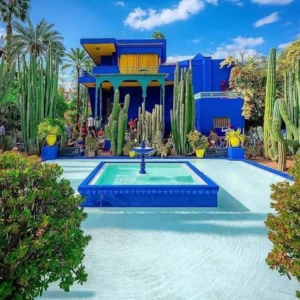
Beyond the historic sites, Marrakech is also home to modern attractions like the Majorelle Garden, a beautiful botanical garden created by French artist Jacques Majorelle. This blend of old and new makes Marrakech a fascinating destination.
Fes: The Cultural Capital
Fes is renowned for its ancient architecture, traditional crafts, and vibrant cultural scene. The city’s historic medina is a UNESCO World Heritage Site, featuring some of the oldest and most well-preserved medieval architecture in the world.
Chefchaouen: The Blue Pearl
Nestled in the Rif Mountains, Chefchaouen is a picturesque town known for its blue-painted buildings, serene atmosphere, and stunning natural surroundings. It’s an ideal destination for those seeking relaxation and natural beauty.
Essaouira: The Coastal Gem
Essaouira is a charming coastal town celebrated for its laid-back atmosphere, beautiful beaches, and vibrant arts scene. The town’s historic ramparts and bustling port add to its charm, making it a perfect spot for relaxation and exploration.
| Destination | Main Attractions | Best Time to Visit |
|---|---|---|
| Marrakech | Jemaa el-Fnaa, Medina, Majorelle Garden | Spring and Autumn |
| Fes | Ancient Medina, Al-Attarine Madrasa | Spring |
| Chefchaouen | Blue-painted Buildings, Rif Mountains | Summer |
| Essaouira | Beaches, Ramparts, Arts Scene | Autumn |
Each of these destinations offers a unique glimpse into Morocco’s diverse cultural and natural landscapes, making them must-visit locations on any Morocco trip.
Exploring Morocco’s Natural Wonders
Morocco is a treasure trove of natural wonders, from the vast Sahara Desert to the majestic Atlas Mountains. The country’s diverse landscapes offer a wide range of experiences for travelers, making it an ideal destination for nature lovers and adventure seekers.
Sahara Desert Adventures
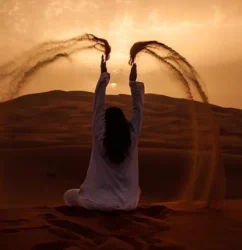
The Sahara Desert is one of Morocco’s most iconic natural wonders. Visitors can embark on camel treks through the dunes, experiencing the serene and majestic environment of the desert.
Camel Treks and Desert Camps
Camel treks allow travelers to explore the vast expanses of the Sahara, while desert camps provide an opportunity to immerse oneself in the desert’s unique culture and tranquility. As one traveler noted,
“The Sahara Desert is a surreal experience; the silence and the stars at night are unforgettable.”
Best Desert Departure Points
Popular departure points for Sahara Desert adventures include Merzouga and Zagora, offering easy access to the desert’s vast dunes.
Atlas Mountains Excursions
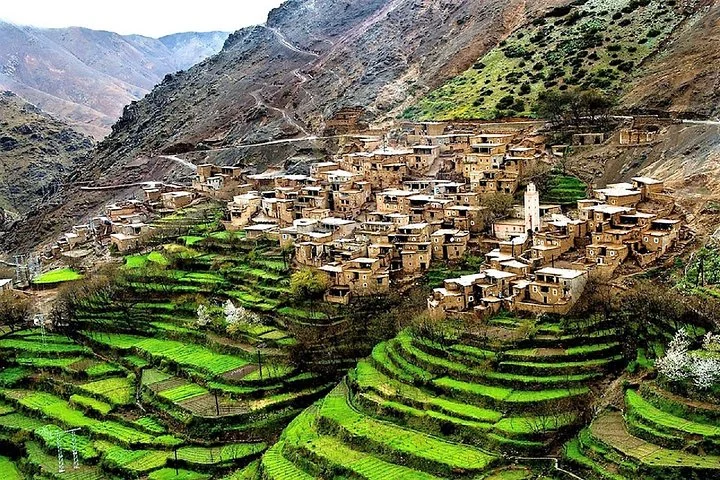
The Atlas Mountains offer a different kind of natural beauty, with rugged peaks and traditional Berber communities. Visitors can enjoy hiking and trekking opportunities, taking in the breathtaking views and experiencing local culture.
Coastal Experiences
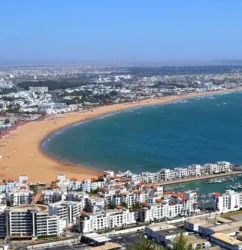
Morocco’s coastline is dotted with charming fishing villages and beautiful beaches, offering a relaxing and picturesque experience. Visitors can enjoy water sports, explore coastal towns, or simply relax on the beach.
In conclusion, Morocco’s natural wonders provide a diverse range of experiences for travelers. From the Sahara Desert to the Atlas Mountains and the coastline, there’s something for everyone in this beautiful country.
Understanding Moroccan Culture and Customs
Understanding Moroccan culture and customs is essential for a respectful and enriching travel experience in this fascinating North African country. Morocco is known for its warm hospitality, and visitors are often welcomed into local homes and encouraged to participate in traditional practices.
Moroccan Etiquette and Social Norms
Moroccan etiquette emphasizes politeness and respect for elders. When interacting with locals, it’s customary to greet with a handshake or a kiss on both cheeks, and to use your right hand when giving or receiving something. Dressing modestly is also important, particularly when visiting rural areas or mosques.
Religious Considerations
Morocco is predominantly Muslim, and travelers should be aware of religious considerations, such as during Ramadan when many locals fast from dawn to dusk. Visitors can still enjoy their trip by being respectful of fasting locals and adjusting their meal times accordingly.
Language Tips for Travelers
While many Moroccans speak some French or English, learning a few basic phrases in Arabic or Berber can greatly enhance interactions with locals. Simple expressions like “hello” (as-salamu alaykum), “thank you” (shukraan), and “goodbye” (ma’a as-salaama) can go a long way in showing respect for the culture.
| Cultural Aspect | Tips for Travelers |
|---|---|
| Greetings | Use a handshake or kiss on both cheeks; use your right hand when giving or receiving something. |
| Dress Code | Dress modestly, especially in rural areas or mosques. |
| Ramadan | Be respectful of locals fasting; adjust meal times accordingly. |
| Language | Learn basic Arabic or Berber phrases like “as-salamu alaykum” (hello) and “shukraan” (thank you). |
Your Complete Morocco Travel Morocco Trip Budget Guide
Creating a realistic budget is essential for enjoying Morocco without financial worries. Understanding the various costs associated with your trip can help you plan a memorable Moroccan adventure.
Accommodation Costs
Morocco offers a wide range of accommodation options, from budget-friendly riads to luxury hotels. The cost of accommodation varies significantly depending on the location and type of lodging. For instance, a riad in Marrakech can cost between $20 to $100 per night, while a luxury hotel in Rabat might range from $150 to $300 per night.
Food and Dining Expenses
Dining in Morocco can be an affordable and delicious experience. Eating at local souks or riads can cost between $5 to $15 per meal. Mid-range restaurants typically charge $15 to $30 per meal, while fine dining experiences can range from $30 to $50 or more per person.
Transportation and Activity Budgeting
Transportation costs in Morocco can vary based on your mode of travel. Public transportation is relatively inexpensive, with bus fares starting from $1. Taxis and private transfers are more expensive, with costs ranging from $10 to $50 or more, depending on the distance. Activities such as guided tours, visiting historical sites, and desert excursions can range from $30 to $100 or more per person.
Money-Saving Tips
To save money during your Morocco trip, consider staying in budget accommodations, eating at local eateries, and using public transportation. Bargaining at markets and souks is also a common practice that can help reduce costs.
| Expense Category | Low-End Estimate | High-End Estimate |
|---|---|---|
| Accommodation (per night) | $20 | $300 |
| Food (per meal) | $5 | $50 |
| Transportation (per trip) | $1 | $50 |
| Activities (per person) | $30 | $100 |
Where to Stay During Your Morocco Adventure
Morocco offers a diverse range of accommodations to suit every traveler’s needs. Whether you’re looking for an authentic cultural experience, luxurious amenities, or budget-friendly options, you’ll find it in Morocco.
Traditional Riads: An Authentic Experience
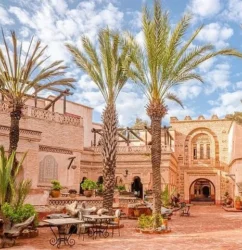
Traditional riads are a hallmark of Moroccan architecture, characterized by their interior gardens and intricate designs. These riads offer an authentic and often luxurious experience, allowing guests to immerse themselves in local culture. Many riads are located in the heart of old medinas, providing easy access to historical sites and local markets.
Key features of traditional riads include:
- Interior gardens and courtyards
- Intricate tile work and architecture
- Personalized service and hospitality
Hotels and Resorts
Morocco is also home to a wide range of hotels and resorts, from boutique establishments to large complexes with extensive amenities. These accommodations cater to various tastes and needs, offering everything from simple comfort to luxury and leisure.
Some benefits of hotels and resorts include:
- Modern amenities and services
- Variety of accommodation styles and price points
- Often located in convenient areas, such as city centers or near major attractions
Budget Accommodations
For travelers on a tighter budget, Morocco offers a variety of affordable accommodations, including hostels and budget riads. These options provide a cost-effective way to experience Morocco without sacrificing comfort or cultural immersion.
Getting Around Morocco
Getting around Morocco can be an adventure in itself, with various transportation methods available to suit different needs and preferences. Morocco’s transportation network is diverse, offering several options for travelers to explore the country.
Public Transportation Options
Public transportation in Morocco is efficient and relatively affordable, making it a popular choice among travelers. The network includes trains, buses, and taxis, each serving different routes and distances.
Trains and Buses
Trains are a comfortable way to travel long distances, with ONCF being the national railway operator. Buses are another option, with companies like CTM offering extensive routes across the country. Both trains and buses are reliable, with frequent departures from major cities.
Petit Taxis and Grand Taxis
Petit taxis are ideal for short journeys within cities, while grand taxis operate on longer routes or for group travel. They offer a convenient way to reach destinations not well-served by public transport.
Hiring a Private Driver
Hiring a private driver can provide flexibility and comfort, especially for longer journeys or when traveling in groups. This option allows travelers to create their own itinerary and enjoy the scenic views along the way.
Self-Driving in Morocco
Self-driving is also an option, though it requires consideration of local driving conditions and regulations. Renting a car can be a good way to explore rural areas or travel at your own pace. However, be aware that driving in Morocco can be challenging, especially in urban areas.
Walking and Local Navigation
Walking is a great way to explore cities and towns, allowing for a more intimate experience of the local culture and scenery. Many of Morocco’s medinas are pedestrian-friendly, with narrow streets that are best navigated on foot.
“Morocco is a country that is full of life, energy, and a deep sense of history and culture.”
Experiencing the transportation options firsthand can give travelers a deeper appreciation for the country’s vibrant atmosphere.
Safety and Health Tips for Morocco Travel
As you plan your trip to Morocco, understanding the safety concerns and health recommendations is crucial for a memorable adventure. Morocco is generally a safe country, but like any other destination, it requires some caution and preparation.
Common Safety Concerns and Precautions
Petty theft and scams are among the common safety concerns in Morocco. To mitigate these risks, it’s advisable to be cautious with your personal belongings, especially in crowded areas and tourist hotspots. Avoid carrying large amounts of cash and use reputable taxi services or ride-sharing apps.
Additionally, be mindful of your surroundings, particularly at night, and avoid walking alone in dimly lit or isolated areas. Morocco is known for its vibrant markets and bustling streets, but it’s essential to stay alert to avoid pickpocketing or scams.
Health Recommendations
Before traveling to Morocco, ensure you are up-to-date with all routine vaccinations. Depending on your travel plans, you may also need vaccinations for Hepatitis A and Typhoid. It’s also recommended to take precautions against heat and dehydration, especially during the hot summer months.
Drink bottled or filtered water, and avoid consuming undercooked or raw foods. Morocco’s cuisine is delicious, but it’s crucial to eat at reputable restaurants and street food stalls that are popular with locals and tourists alike.
| Health Precaution | Description |
|---|---|
| Stay Hydrated | Drink plenty of bottled water to avoid dehydration. |
| Vaccinations | Ensure you are up-to-date with routine vaccinations and consider additional vaccinations based on your travel plans. |
| Food Safety | Eat at reputable restaurants and avoid undercooked or raw foods. |
Emergency Contacts and Resources
In case of an emergency, it’s vital to have access to relevant resources and contacts. Make sure to register with your country’s travel advisory department and have a list of emergency contacts, including your embassy’s contact information.
“The key to a successful trip is preparation and awareness. By understanding the local culture, customs, and potential safety concerns, travelers can have a safe and enjoyable experience in Morocco.”
Keep a copy of your important documents, such as your passport and travel insurance, in a safe and accessible place. With these safety and health tips, you can enjoy a memorable and stress-free trip to Morocco.
Conclusion: Making the Most of Your Morocco Trip
As you plan your Morocco trip, remember that the key to a memorable adventure lies in embracing the local culture, trying the delicious cuisine, and exploring the natural beauty of the country. With its rich history, vibrant cities, and stunning landscapes, Morocco has something for every kind of traveler.
By following the travel tips outlined in this guide, you can make the most of your Morocco travel experience. From navigating the bustling streets of Marrakech to relaxing in the serene Sahara Desert, every moment in Morocco is an opportunity to create unforgettable memories.
Whether you’re exploring the historic cities of Fes and Meknes or enjoying the coastal charm of Essaouira, Morocco’s diverse regions offer a unique blend of experiences. As you travel through this captivating country, be sure to stay open to new experiences and respectful of local customs.
With careful planning and a willingness to immerse yourself in the local culture, your Morocco trip is sure to be an adventure you’ll cherish forever. So pack your bags, grab your camera, and get ready to make the most of your Morocco travel experience.
FAQ
What is the best time to visit Morocco?
Morocco is a year-round destination, but the best time to visit depends on your preferences regarding weather and tourist season. Spring (March to May) and autumn (September to November) are considered ideal due to their mild temperatures.
Do I need a visa to travel to Morocco?
Visa requirements vary depending on your nationality. Citizens of many countries, including the US and EU nations, do not need a visa for tourism stays up to 90 days. It’s essential to check the specific requirements for your country.
How do I get around Morocco?
Morocco has a variety of transportation options, including trains, buses, petit and grand taxis, and rental cars. Trains are efficient for longer distances, while taxis are convenient for shorter trips.
What are the must-visit destinations in Morocco?
Key destinations include Marrakech, known for its vibrant Jemaa el-Fnaa square; Fes, with its ancient medina; Chefchaouen, famous for its blue-painted buildings; and Essaouira, celebrated for its laid-back atmosphere and beautiful beaches.
Is it safe to travel to Morocco?
Morocco is generally considered safe for tourists, but as with any travel, it’s wise to take common-sense precautions against petty theft and scams, and to be aware of local conditions.
What should I budget for a trip to Morocco?
Budgeting for Morocco depends on your travel style, accommodation choices, and activities. On average, you can expect to spend around $30-50 per day for budget travel, with costs rising for mid-range and luxury travel.
Can I use credit cards and ATMs in Morocco?
Major credit cards are accepted in larger towns and tourist areas, and ATMs are widely available. However, it’s a good idea to have some local currency, dirhams, for smaller purchases and when traveling to more remote areas.
What are some health recommendations for traveling to Morocco?
It’s recommended to be up-to-date on routine vaccinations and to consider vaccinations for hepatitis A and typhoid. Taking precautions against heat and dehydration, especially during summer, is also advisable.
How can I stay connected during my Morocco trip?
Morocco has a well-developed telecommunications network, with widespread coverage of mobile networks and internet. Purchasing a local SIM card or using an international roaming plan can help you stay connected.
What are some tips for respecting local culture in Morocco?
Morocco is a conservative country; dressing modestly, especially when visiting rural areas or mosques, is respectful. Understanding and adhering to local customs, such as during Ramadan, also shows respect for the culture.
#travel in morocco