



This comprehensive guide will take you through the essential regions to visit, the best maps and guides to use, and practical information to make your trip unforgettable. Whether you’re a first-time visitor or a seasoned traveler, this guide is designed to help you navigate Morocco with ease and confidence.
Key Takeaways
- Discover the essential regions to visit in Morocco
- Learn about the best maps and guides to use for your trip
- Get practical information to make your travel experience unforgettable
- Navigate Morocco with ease and confidence
- Explore Morocco’s rich cultural heritage and natural beauty
Morocco at a Glance: A Traveler’s Introduction
From the majestic Atlas Mountains to the serene Sahara Desert, Morocco is a treasure trove of experiences. This North African country is a land of contrasts, where the vibrant sounds of bustling cities meet the tranquil beauty of untouched landscapes.
Geographic Diversity: From Coast to Desert
Morocco’s diverse geography is one of its most striking features. The country boasts a long Atlantic coastline, the rugged Atlas Mountains, and the vast expanse of the Sahara Desert. This varied landscape offers a range of activities for travelers, from surfing and hiking to desert safaris.
Cultural Heritage and Historical Significance
Morocco’s rich cultural heritage is a blend of Berber, Arab, and European influences. This unique mix is reflected in its architecture, cuisine, and traditions. The country’s historical significance is evident in its numerous UNESCO World Heritage Sites, including the ancient medinas of Marrakech and Fez.
Berber, Arab, and European Influences
The cultural tapestry of Morocco is woven from Berber, Arab, and European threads. This blend is visible in the country’s cuisine, with dishes like tagine and couscous, and in its architecture, which combines Islamic, Berber, and French colonial styles.
UNESCO World Heritage Sites
Morocco is home to several UNESCO World Heritage Sites, including:
- The Medina of Marrakech
- The Historic City of Meknes
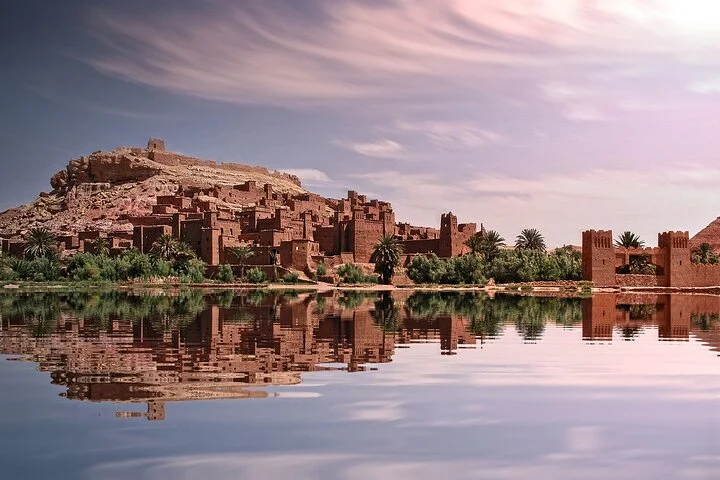
- The Archaeological Site of Volubilis
- The Medina of Fez
These sites offer a glimpse into Morocco’s rich history and cultural significance.
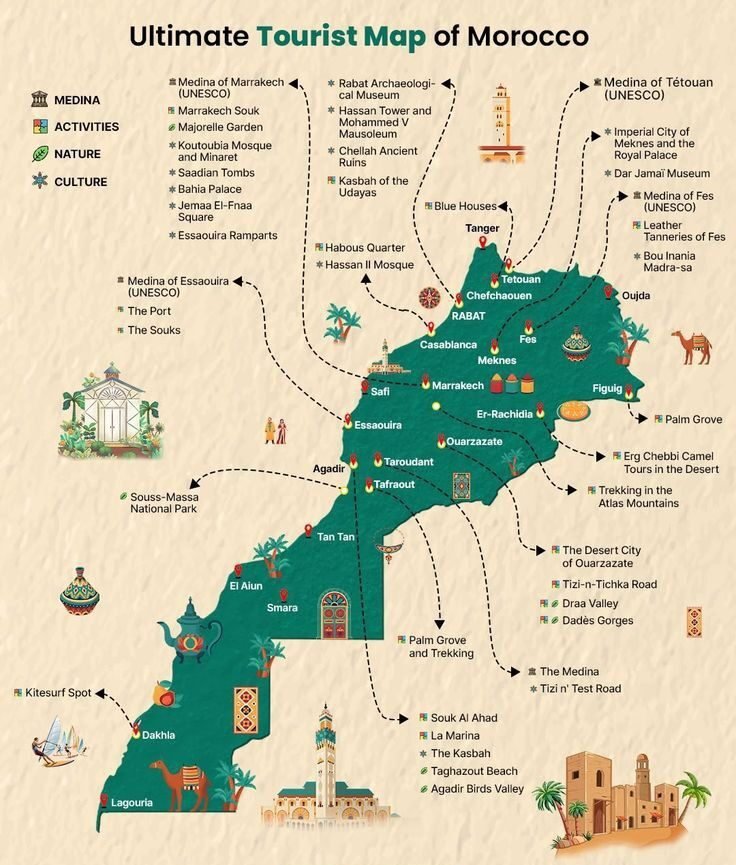
The Ultimate Tourist Map of Morocco
Navigating Morocco’s diverse landscapes requires a reliable map, making it essential to choose the right tourist map of Morocco. The country’s rich history, varied geography, and vibrant culture make it a fascinating destination for travelers.
Essential Regions for First-Time Visitors
For those visiting Morocco for the first time, certain regions are considered must-visits. The imperial cities of Marrakech, Fez, and Rabat offer a deep dive into the country’s history and culture. Marrakech, known as the “Red City,” is famous for its vibrant souks and architectural landmarks like the Koutoubia Mosque. Fez, with its ancient medina, is a UNESCO World Heritage site and a hub of cultural heritage. Rabat, the capital, blends modern and traditional Morocco, with attractions like the Kasbah of the Udayas.
Coastal towns like Essaouira and Tangier are also essential stops. Essaouira is renowned for its windy climate, beautiful beaches, and vibrant arts scene. Tangier, located at the crossroads of Africa and Europe, offers a unique blend of cultures and a rich history.
Digital Maps and Travel Apps for Morocco
In today’s digital age, travel apps and online maps are invaluable resources. Apps like Google Maps and Maps.me provide offline access to maps, which is particularly useful in areas with limited internet connectivity. Other apps, such as Morocco Travel Guide, offer insights into local attractions, restaurants, and hotels.
Physical Maps and Guidebooks Worth Buying
While digital maps are convenient, physical maps and guidebooks can enhance the travel experience by providing a more immersive and tactile way to explore Morocco. Guidebooks like the Lonely Planet Morocco offer detailed information on attractions, accommodations, and local customs. Physical maps, available at local bookstores or online, can be a stylish and practical souvenir.
By combining digital resources with physical maps and guidebooks, travelers can create a comprehensive and personalized itinerary for their Moroccan adventure.
Coastal Treasures: Atlantic and Mediterranean Shores
The Atlantic and Mediterranean shores of Morocco offer a diverse array of coastal treasures waiting to be explored. From the bustling cities to the serene beaches, each destination along Morocco’s coastline provides a unique experience for travelers.
Casablanca: Modern Morocco’s Heart
Casablanca, the economic hub of Morocco, is a city that seamlessly blends modernity with traditional charm. At its heart is the magnificent Hassan II Mosque, one of the largest mosques in the world, which boasts a stunning minaret and beautifully crafted zellij tile work.
Hassan II Mosque and Corniche
The Hassan II Mosque is a must-visit attraction, not only for its architectural grandeur but also for its historical significance. The adjacent Corniche, a scenic waterfront area, offers beautiful views of the Atlantic Ocean and is perfect for a leisurely stroll or a relaxing evening out.
Essaouira: The Windy City’s Charm
Further down the coast lies Essaouira, known for its windy streets and charming ramparts. This coastal town is a haven for artists, with its vibrant souks and beautiful beaches making it an ideal destination for those seeking a relaxed, creative atmosphere.
Tangier: Gateway Between Continents
Tangier, strategically located at the crossroads of Europe and Africa, is a melting pot of cultures. This city offers a unique blend of Moroccan, European, and African influences, making it a fascinating destination for travelers. From its historic medina to its vibrant nightlife, Tangier is a city that has something for everyone.
Exploring Morocco’s coastal treasures is an integral part of any morocco travel map. Whether you’re drawn to the modern allure of Casablanca, the artistic vibe of Essaouira, or the cultural diversity of Tangier, travel in morocco is an unforgettable experience.
Imperial Cities: Royal Heritage and Architecture
The imperial cities of Morocco stand as vibrant testaments to the nation’s storied past and architectural splendor. These cities have been the heartbeat of Morocco’s history, each contributing its unique chapter to the country’s rich cultural tapestry.
Marrakech: The Red City’s Vibrant Soul
Marrakech, known as the Red City, is a sensory overload in the best possible way. Its vibrant souks and majestic architecture make it a must-visit destination for any traveler.
Jemaa el-Fnaa and the Medina
The famous Jemaa el-Fnaa square is a hub of activity, with snake charmers, street performers, and food stalls creating an unforgettable atmosphere. The Medina, with its narrow alleys and bustling markets, is a treasure trove of local handicrafts and souvenirs.
Fez: Medieval Labyrinth of Culture
Fez, the medieval capital, is a labyrinth of narrow streets and ancient landmarks. It offers a glimpse into Morocco’s past, with its well-preserved architecture and traditional crafts.
Rabat: The Capital’s Elegant Balance
Rabat, the current capital, presents a more laid-back atmosphere, balancing modern and traditional architecture. Its elegance is evident in its well-planned cityscape and historical sites.
Meknes: The Underrated Imperial City
Meknes, often overlooked, is an underrated gem. It boasts impressive historical sites and authentic local culture, making it a worthwhile visit for those looking to explore beyond the usual tourist destinations.
These imperial cities, with their rich history and architectural heritage, are essential stops on any Morocco tourist guide or Morocco attractions map. They offer a deep dive into the country’s royal past and its cultural significance.
Sahara Adventures: Desert Experiences
Morocco’s Sahara Desert offers an unforgettable adventure for visitors. The vast dunes and serene landscapes create a unique travel experience that is quintessentially Moroccan.
Merzouga and Erg Chebbi Dunes
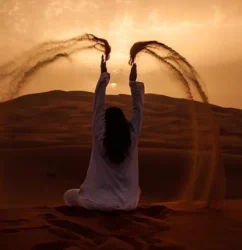
One of the most iconic destinations in the Sahara is Merzouga, known for its towering Erg Chebbi dunes. Visitors can enjoy camel treks across the sand, watching the sunset over the dunes, or stay in desert camps to experience the tranquility of the desert.
Zagora and the Draa Valley
For a more relaxed pace, Zagora and the Draa Valley offer lush oases and traditional villages to explore. The Draa Valley is known for its palm groves and historic kasbahs, providing a glimpse into the region’s rich cultural heritage.
Desert Camps and Camel Treks
Desert camps are a great way to immerse yourself in the Sahara’s majestic landscape. Many camps offer camel treks, allowing you to traverse the dunes like a true nomad. As “The Sahara is not just a desert, it’s an experience”, a phrase often echoed by travelers who have ventured into its vast expanse.
Stargazing in the Sahara
One of the most magical experiences in the Sahara is stargazing. With minimal light pollution, the night sky is a canvas of stars, offering a breathtaking view that is both humbling and awe-inspiring. As one traveler noted,
“The stars shone so brightly that night, it felt as though we were sleeping under a blanket of diamonds.”
Mountain Escapes: The Atlas Range
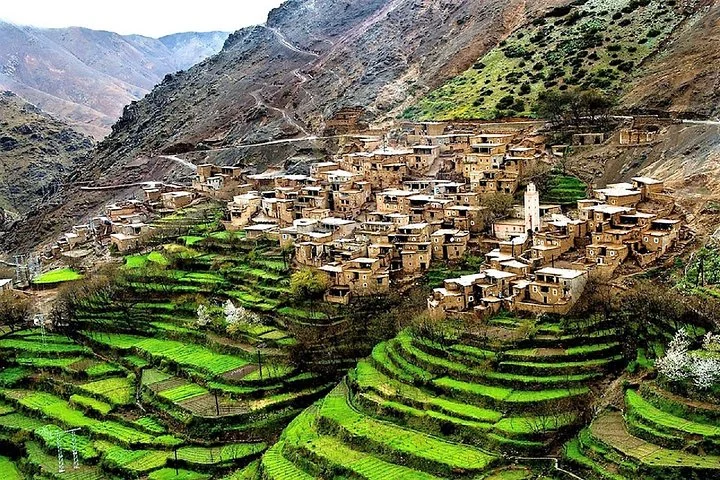
Morocco’s Atlas Range is a haven for nature lovers and adventure seekers. The Atlas Mountains offer a refreshing escape from the desert heat, with their lush valleys, traditional villages, and hiking trails.
Toubkal National Park and Hiking Trails
Toubkal National Park is a must-visit destination for outdoor enthusiasts. The park offers challenging hikes and breathtaking scenery, with the highest peak in North Africa, Jbel Toubkal, being a prominent attraction.

Berber Villages and Cultural Immersion
Visiting Berber villages provides a unique opportunity for cultural immersion. You can experience the traditional way of life, enjoy local hospitality, and learn about the rich cultural heritage of the region.
Ourika Valley and Day Trips from Marrakech
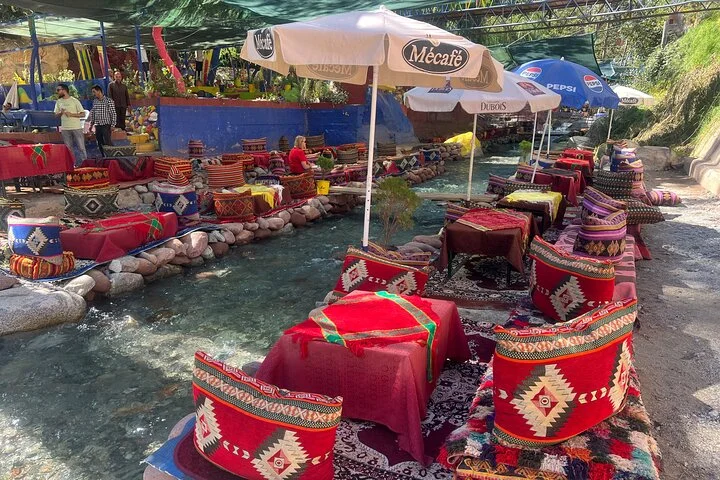
Ourika Valley, just outside Marrakech, is a popular day-trip destination. It offers a glimpse into the region’s natural beauty and local culture, with opportunities for hiking, visiting traditional villages, and enjoying the scenic landscapes.
| Destination | Activities | Best Time to Visit |
|---|---|---|
| Toubkal National Park | Hiking, Trekking | Spring, Autumn |
| Berber Villages | Cultural Immersion, Village Tours | Year-round |
| Ourika Valley | Hiking, Sightseeing | Year-round |
For a comprehensive Morocco tourist guide, consider exploring the Atlas Range for its diverse attractions and activities. The region is also featured on many Morocco attractions maps, highlighting its significance in the country’s tourism landscape.
Hidden Gems Off the Beaten Path
Morocco is a treasure trove of hidden gems waiting to be discovered by intrepid travelers. While many visitors flock to the popular destinations, there are numerous lesser-known locations that offer a unique and authentic experience.
Chefchaouen: The Blue Pearl
Nestled in the Rif Mountains, Chefchaouen is a charming town known for its blue-painted buildings. This picturesque destination is perfect for those seeking a relaxed atmosphere and stunning natural beauty.
Tafraoute and the Anti-Atlas Region
Tafraoute is a hidden gem in the Anti-Atlas Region, offering a blend of natural beauty and cultural heritage. The area is known for its granite rock formations and traditional Berber villages.
Asilah: Artistic Coastal Town
Asilah is a charming coastal town with a rich artistic heritage. The town hosts an annual art festival, and its walls are adorned with vibrant murals.
Volubilis: Roman Ruins in North Africa
Volubilis is an ancient Roman archaeological site, featuring impressive ruins and a rich history. As quoted by a historian,
“Volubilis is one of the best-preserved Roman sites in North Africa, offering a glimpse into the region’s rich cultural heritage.”
Here’s a comparison of these hidden gems:
| Destination | Main Attraction | Best Time to Visit |
|---|---|---|
| Chefchaouen | Blue-painted buildings | Spring |
| Tafraoute | Granite rock formations | Autumn |
| Asilah | Art festival and murals | Summer |
| Volubilis | Roman ruins | Anytime |
These destinations offer a glimpse into Morocco’s diverse culture and natural beauty, making them must-visit locations for any traveler looking to explore beyond the usual tourist trail.
Navigating Morocco: Transportation Guide
Whether you’re traveling by train, bus, or car, understanding Morocco’s transportation options is key to a smooth journey. Morocco’s diverse landscapes and rich cultural heritage make it an exciting destination, but navigating its roads and public transport can be challenging.
Trains, Buses, and Grand Taxis
Trains are a convenient way to travel between major cities, with ONCF offering modern and comfortable services. Buses are another affordable option, with companies like CTM and Supratours providing extensive networks. Grand taxis are ideal for shorter distances or group travel.
| Mode | Operator | Route |
|---|---|---|
| Train | ONCF | Major cities |
| Bus | CTM, Supratours | Extensive networks |
| Grand Taxi | Private operators | Shorter distances |
Car Rental Considerations and Road Conditions
Renting a car offers flexibility, but be aware of local driving habits and road conditions. Major highways are generally in good condition, but rural roads can be challenging.
Getting Around Cities and Local Transport
Within cities, local transport options like petit taxis and buses are affordable and efficient. Ride-hailing apps are also available in larger cities.
Practical Information for Morocco Travelers
As you prepare for your Moroccan adventure, understanding the practical aspects of travel can enhance your journey. Morocco offers a wide range of experiences, from exploring vibrant cities to relaxing on beautiful beaches or trekking through the Atlas Mountains.
Accommodation Options: Riads to Resorts
Morocco caters to all budgets and preferences with its diverse accommodation options. You can choose from traditional riads, modern hotels, or luxury resorts. Riads, with their characteristic interior gardens, offer a unique cultural experience, while resorts provide comfort and amenities, especially in coastal areas like Essaouira or Taghazout.

Safety Tips and Common Scams to Avoid
While Morocco is generally a safe country, it’s wise to take certain precautions. Be mindful of your belongings, especially in crowded areas, and be cautious of scams targeting tourists. Using reputable taxi services and being aware of your surroundings can significantly enhance your safety.
Budgeting and Currency Information
The local currency is the Moroccan dirham. While credit cards are accepted in many places, cash is still king, especially in smaller towns and traditional souks. Budgeting in advance and having some local currency can make your travel smoother.
Internet Access and Connectivity
Internet access has improved significantly in Morocco, with many cafes, restaurants, and hotels offering Wi-Fi. However, in more remote areas, connectivity can be limited. Consider purchasing a local SIM card or portable Wi-Fi hotspot for easier navigation and staying in touch.
Seasonal Guide to Moroccan Travel
Morocco is a year-round destination, but the best time to visit varies significantly depending on the region and the traveler’s preferences. Understanding the seasonal nuances can greatly enhance the travel experience.
Best Times to Visit Different Regions
The coastal regions, such as Casablanca and Essaouira, are pleasant year-round, with mild winters and warm summers. In contrast, the Atlas Mountains offer a cool retreat in summer and a snowy wonderland in winter, ideal for hiking and skiing, respectively.
Festival Calendar and Cultural Events

Morocco’s cultural calendar is rich with festivals and events. The Marrakech International Film Festival attracts global attention, while local festivals like the Essaouira Gnawa Music Festival offer a glimpse into the country’s vibrant cultural heritage.
Weather Patterns and Packing Essentials
Understanding Morocco’s weather patterns is crucial for packing. Summers can be hot, especially in the desert regions, while winters can be cool, particularly in the mountains. Packing layers and sun protection is advisable.
Cultural Etiquette and Local Customs
To truly immerse yourself in Moroccan culture, it’s essential to grasp local customs and etiquette. Morocco, with its rich history and diverse cultural influences, presents a unique environment for travelers.
Language Basics: Arabic, Berber, and French
Learning a few basic phrases in the local languages can significantly enhance your travel experience. Arabic is the official language, but Berber languages are also widely spoken, and French is commonly used in business and tourism. Simple greetings like “As-salamu alaykum” (peace be upon you) can go a long way in showing respect.
Respectful Behavior in Religious Sites
When visiting mosques or other religious sites, dress modestly and remove your shoes when required. It’s also important to be mindful of your behavior, avoiding loud conversations and taking photographs without permission.
Bargaining in Souks and Markets
Bargaining is an integral part of shopping in Moroccan souks and markets. Approach it with a smile and a willingness to negotiate fairly. It’s not just about the price; it’s an interaction that can lead to memorable experiences.
Photography Etiquette and Permissions
Before taking pictures of locals, especially in rural areas, ask for permission. Some people may not appreciate being photographed, and respecting their wishes is crucial.
| Cultural Tip | Description |
|---|---|
| Dress modestly | Cover shoulders and knees, especially when visiting religious sites. |
| Learn basic Arabic greetings | Use phrases like “As-salamu alaykum” to show respect. |
| Respect local customs | Avoid public displays of affection and remove shoes when necessary. |
By understanding and respecting local customs, you can have a more enriching and enjoyable experience traveling in Morocco. Whether you’re navigating bustling souks or visiting historic sites, cultural awareness is key to a successful trip.
Conclusion: Planning Your Perfect Moroccan Adventure
With the ultimate tourist map of Morocco, you’re now equipped to plan an unforgettable journey. Morocco offers a diverse array of experiences, from exploring historic cities to trekking through the Atlas Mountains or relaxing on the Atlantic coast.
Using this morocco tourist guide, you can navigate the country’s vibrant souks, savor local cuisine, and immerse yourself in the rich cultural heritage. Whether you’re a seasoned traveler or embarking on your first international trip, Morocco’s unique blend of Arabic, Berber, and French influences promises an enriching experience.
As you prepare for your adventure, remember to respect local customs, stay informed about transportation options, and be prepared for the varied climate. With careful planning and an open mind, your Moroccan adventure is sure to be a memorable one.
FAQ
What is the best way to navigate Morocco using a tourist map of Morocco?
To navigate Morocco effectively, consider using a combination of digital maps, such as Google Maps, and physical maps, like a Morocco travel map or a tourist map of Morocco. This will help you to get the most up-to-date information and directions.
What are the essential regions to visit in Morocco?
The essential regions to explore in Morocco include the imperial cities of Marrakech, Fez, and Rabat, as well as the coastal towns of Essaouira and Tangier. These destinations offer a wealth of cultural heritage, historical landmarks, and natural beauty.
How do I get around Morocco using public transportation?
Morocco has a well-developed public transportation system, including trains, buses, and grand taxis. Trains are a convenient option for longer journeys, while buses and grand taxis can be used for shorter trips. You can also use a Morocco travel map to plan your route.
What are some safety tips for traveling in Morocco?
To stay safe in Morocco, be aware of your surroundings, keep an eye on your belongings, and avoid carrying large amounts of cash. Be cautious of scams, such as fake guides or overpriced goods, and use reputable transportation services.
What is the best time to visit Morocco?
The best time to visit Morocco depends on the region and your preferences. Generally, spring (March to May) and autumn (September to November) are the best seasons, with mild weather and fewer crowds. You can use a Morocco tourist guide to plan your trip according to the local festival calendar and cultural events.
How do I bargain in souks and markets?
Bargaining in souks and markets is a part of the local culture in Morocco. Start by researching the market prices, then make an offer that is lower than the asking price. Be prepared to negotiate, and don’t be afraid to walk away if you’re not happy with the price.
What are some must-see attractions on a Morocco attractions map?
Some must-see attractions in Morocco include the Jemaa el-Fnaa in Marrakech, the ancient city of Fez, and the coastal town of Essaouira. You can use a Morocco attractions map to discover more hidden gems and plan your itinerary.
Can I use English in Morocco, or do I need to learn other languages?
While many Moroccans speak some English, particularly in tourist areas, it’s still a good idea to learn a few basic phrases in Arabic, Berber, and French. This will help you to show respect and communicate more effectively with locals.
What are some essential items to pack for a trip to Morocco?
When packing for Morocco, consider bringing comfortable clothing, sunscreen, a hat, and sunglasses. You may also want to bring a Morocco travel map, a guidebook, and a portable charger for your devices.